By vertical · Fitness brands
Fitness influencer marketing and gym influencer marketing with vetted US fitness influencers
The short answer
Fitness influencer marketing works when the creator's followers actually train, the content shows your product in a real session rather than a posed physique shot, and every claim in the post is one your brand can back up. For gyms, studios, fitness apps, equipment and activewear, micro creators with 10,000 to 100,000 US followers usually deliver that at a fraction of an athlete's fee. MicroInfluencers matches fitness brands to engagement-verified US micro and nano creators and runs the brief, approval and payment in one place, from $49 a month.
Match · verify · rank · you approve
Sample shortlist Sample shortlist · profiles
Engagement-verifiedType a brand above and a sample shortlist builds here, laid out exactly as your shortlist inside the product: handle, niche, engagement rate and an authenticity check on every creator.
Preview only. The profiles below are illustrative examples, not real creator accounts.
Interactive preview · illustrative profiles, not real accounts · no signup needed
Illustrative profiles, not real creator accounts. Inside the product every creator is fake-follower-checked and engagement-verified, with #ad disclosure built into every brief.
Fitness is the category where follower count lies the most. A lot of big fitness accounts are built on transformation photos and physique content, and their audiences follow for the look, not for advice on what to buy. Book one of those accounts to sell a $60 resistance band set or a monthly app subscription and you get plenty of likes and very few orders. The creators who move fitness products are usually smaller: coaches who film full sessions, runners who log every mile, lifters who explain their programming, and studio instructors whose followers are the people in their classes.
Those creators have something the big accounts do not. Their comments are questions about sets, form, sizing and injuries, which tells you the audience is training and listening. That is the audience that tries an app on a creator's code, books a class pass, or buys the dumbbells they just watched being used.
Fitness also carries a legal risk most categories do not. Strength, weight-loss, recovery and performance claims are health claims, and in the US the FTC holds the brand responsible for what a paid creator says about your product. So a fitness program needs two things a generic influencer campaign skips: creators vetted for a real training audience, and a brief that tells them exactly which claims are allowed. MicroInfluencers is built to do both on a published monthly price.
What you are buying
A real workout on camera, not a physique shot
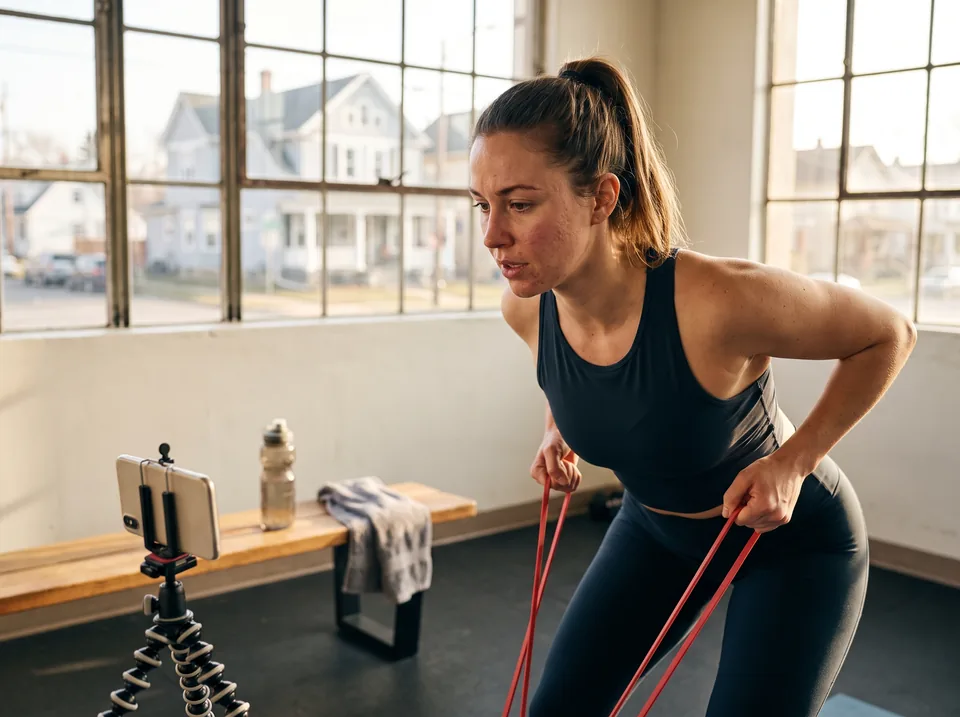
The fitness posts that sell show the product doing its job mid-session: the band under tension, the app timer running, the leggings in a deep squat. Brief for that and a micro creator with 15,000 engaged followers will outsell an aesthetics account ten times the size.
You approve every creator you hire
FTC #ad disclosure in every brief
Why it works
What makes fitness influencer marketing different from every other category
Training audience beats physique audience
A creator whose followers ask about sets, reps and knee pain has an audience that buys gear and programs. A creator whose comments are fire emoji has an audience that likes looking. Rank on comment quality and audience location first, and on follower count last.
Every benefit claim is a health claim
"Builds muscle faster", "burns fat" and "fixes back pain" all need evidence the brand holds before the post goes live. The FTC's 2022 Health Products Compliance Guidance covers health equipment and health apps as well as supplements, so the brief has to set the rules, not the creator.
Conversion takes weeks, not a day
Nobody believes a four-minute review of a rower. The posts that sell show week one and week six, which means longer contracts, a product in the creator's hands early, and tracking that runs past the posting date.
What it handles
Matched, verified and shortlisted in seconds
Describe your brand and niche, and the AI scans creators in the 1k to 100k band, checks each one for fake followers and real engagement, and ranks the strongest matches into a shortlist you brief, approve and pay, all in one place.
- Ranks US fitness creators on niche, audience fit and verified engagement, so physique-only accounts drop off the shortlist
- Screens fake followers and engagement pods, which are common in fitness hashtags
- Keeps the claims list, the brief, the content approval and the creator payment in one place
- Writes FTC disclosure into every brief by default, including for gifted gear and comped memberships
- Runs a seeding round of 20 creators in the same workflow as one paid collaboration
- Publishes its prices: $49, $149 or $399 a month, month to month
Why MicroInfluencers
One marketplace that runs the whole campaign
Not a static creator database, not a managed agency with a markup, and not a DM spreadsheet. Match, vet, brief, track and pay in one place, tuned to the brand and audience you already sell to.
Matches every brief in seconds
Describe your brand, niche and platforms, and the AI returns a ranked shortlist of micro and nano creators in the 1k to 100k band, scored on audience fit and real engagement, so you skip days of hashtag scrolling and cold DMs.
Verifies every creator
Every creator is fake-follower-checked and engagement-verified before they reach your shortlist, with an Authentic badge and a real engagement rate on every card, so you never pay a bot to talk to bots.
Briefs, tracks and pays
Approve the creators you want and the platform handles the rest, with FTC #ad disclosure built into every brief, performance tracked per post, and payment released to the creator from the same dashboard. You approve every hire.
Honest comparison
Five kinds of fitness business, and the creator deal that fits each one
Fitness is not one category. A gym, an app and a rower company buy different things from a creator, pay in different ways and measure different results. Find your row before you brief anyone.
| Business | The creator who sells it | Deal that usually works | What to measure | Claim risk to brief around |
|---|---|---|---|---|
| Gym or boutique studio | A local creator within driving distance whose followers live in your metro, ideally one who already trains at independent gyms. | A comped membership or class pack plus a flat fee for a set number of in-studio posts. | Trial sign-ups and first visits on a creator-specific offer code or landing link. | Low, as long as the post does not promise results such as "lose 10 pounds in 30 days". |
| Fitness app or online program | A coach or trainer who already films full workouts and explains programming, on TikTok, Instagram or YouTube. | A flat fee per video plus a creator code for an extended trial, sometimes a bounty per paid subscriber. | Installs, trial starts and trial-to-paid conversion by code, over 30 to 60 days. | Medium. Results claims (strength gained, weight lost) need substantiation, and the FTC's health guidance names health apps. |
| Home equipment (weights, rowers, bikes, racks) | A home-gym creator who uses equipment in long sessions and compares models honestly. | A loaned or gifted unit, a fee for a review plus a follow-up post weeks later, and paid usage rights for ads. | Orders and average order value on a code, plus ad performance if you run the creator's video as an ad. | Medium. Calorie-burn figures and "total body workout in 15 minutes" claims need evidence you hold. |
| Activewear and shoes | A creator who trains in the product and says what size they wear, across a range of body types. | Gifted pieces for nano creators, a fee plus a code for micro creators, with a try-on brief. | Orders, return rate and size exchanges by code. Returns matter more than in most categories. | Low, unless the product makes performance claims such as compression or recovery benefits. |
| Supplements and nutrition | A creator who logs what they eat and train, with an audience that asks about ingredients. | Seeding first so creators use it for weeks, then paid posts from the ones who stay on it. | Orders and subscription starts by code, repeat purchase at 60 days. | High. Disease and body-change claims are the FTC's most enforced area. |
Two rows share a rule that saves money: never ship a large piece of equipment or a year of membership to a creator you have not vetted. Check audience location, comment quality and past sponsored posts first, then send the product.
The playbook
How to run fitness influencer marketing that sells memberships, subscriptions and gear
Six steps, in order. Most brands can run a first round with eight to twelve micro creators around one product or one offer.
Pick one offer and one number
Decide what a win is before you look at a single creator: trial sign-ups for a studio, paid conversions for an app, orders for a product. Then pick the one offer every creator will carry, such as a free first week, an extended app trial or a first-order discount. A campaign that asks creators to "raise awareness" of a whole brand cannot be measured and usually cannot be repeated.
Match on the audience, then the discipline
Start with where the followers live and whether they train, then match the discipline: a yoga studio wants yoga teachers, a rowing machine wants endurance and home-gym creators, a lifting belt wants lifters. Ask shortlisted creators for their top audience countries and cities before you send anything. For a US brand, and above all for a local gym, an audience that lives elsewhere will not convert.
Write the claims list before the brief
List what creators may say, in plain words, and what they may not. "I have used it for six weeks and my deadlift form feels steadier" is a personal experience. "This will add 20 pounds to your squat" is a performance claim you would need evidence for. Under the FTC's Endorsement Guides the advertiser is responsible for claims its endorsers make, so the list protects you and the creator.
Give the creator time with the product
Ship gear or open the membership two to four weeks before the first post, and budget for a follow-up post later. A fitness audience trusts a creator who says "week five, here is what changed" far more than an unboxing, and the follow-up post is often the one that sells.
Require the disclosure and approve before it posts
A free membership, loaned equipment or gifted leggings are all material connections, so the creator has to disclose clearly, such as #ad or "paid partnership" at the start of the caption and said out loud in video. Approve each post before it goes live so claims, prices and offer terms are correct.
Count results by code, then rebook the winners
Give every creator a unique code or link and read results against the number you picked in step one. For apps and memberships, wait for trial-to-paid, not just sign-ups. Rebook the creators whose codes converted and kept customers, drop the rest, and after two or three rounds you have a roster that behaves like an ambassador program.
The costliest mistake in fitness influencer marketing is paying for a creator's before-and-after story. A dramatic transformation post is the hardest content to substantiate, the most likely to draw an FTC complaint, and it rarely reflects what a typical customer gets. Brief for training content instead.
People also ask
What fitness brands ask before hiring fitness influencers
How much does fitness influencer marketing cost?
Fitness influencer marketing costs a gifted product or comped membership for most nano creators, a few hundred dollars a post for most micro creators, and thousands for macro accounts and athletes, plus the software or agency you run it through. The real total also includes shipped equipment, usage rights for ads and the months of membership you comp. MicroInfluencers publishes its software price: $49, $149 or $399 a month. Our influencer marketing cost breakdown covers creator rates by size.
How much do fitness influencers charge?
Fitness influencers charge by audience size, format and usage rights. Nano creators under 10,000 followers often post for gear or a membership plus a small fee, micro creators with 10,000 to 100,000 usually charge from about $100 to several hundred dollars per post or video, and larger accounts quote case by case. Paid usage rights to run the video as an ad cost extra. Our nano influencer rates page compares published rate guides.
Is influencer marketing good for gyms?
Yes, for gyms and studios that pick local creators and track visits. A creator whose followers live within driving distance and who trains at your gym on camera brings in members who can actually show up. It works badly when a gym books a large national account, because most of that audience cannot visit. Our find local influencers page covers vetting creators by audience location.
How do I find fitness influencers for my brand?
Start from your customer and your discipline, not from the biggest accounts. Search for creators who already film full sessions in your niche, then rank them on audience location, engagement quality and whether their comments are real training questions. Ask for audience screenshots before shipping anything. A platform that verifies engagement filters out bought-follower accounts, which are common in fitness hashtags.
Should fitness brands work with micro influencers?
For most gyms, apps and DTC fitness brands, yes. Micro creators with 10,000 to 100,000 followers tend to have training audiences that trust their recommendations, and they cost far less than athletes or macro accounts, so one budget buys ten creators using your product instead of one. Nano creators under 10,000 often accept gear or a membership alone, which suits seeding.
Do I need a fitness influencer marketing agency?
You need an agency if you want athlete or celebrity access, managed shoots, or nobody on your team can spend a few hours a week on creators. If your program is micro and nano creators, gifting and code tracking, software does the sourcing and vetting and you keep the creator relationships when you stop paying. Our agency vs platform comparison covers the tradeoff.
What can a fitness influencer legally say about my product?
A fitness influencer can describe their own honest experience and any claim your brand can already substantiate, and nothing beyond that. The FTC treats the brand as responsible for claims its endorsers make, and its 2022 Health Products Compliance Guidance covers health equipment and health apps, not only supplements. Put a written claims list in the brief and approve each post before it goes live.
How do I build a fitness ambassador program like Gymshark?
Start smaller than the brand you admire. Recruit ten to twenty creators who already train in your product, give each a code, rebook the ones who sell and add a few each quarter. The program becomes an ambassador roster once the same creators post for you every month. Our commission-based influencer marketing page covers paying ambassadors on sales.
Which platform is best for fitness influencer marketing?
Instagram and TikTok carry most fitness influencer marketing. TikTok and Reels suit short workouts and product demos, while YouTube suits long reviews of equipment and apps, where buyers research before spending hundreds of dollars. Many brands run short-form for reach, then pay for a YouTube review for the high-consideration products.
Good questions
Questions about fitness brands
Explore more
More ways brands find and hire micro-influencers
Influencer marketing for supplement brands
Micro creators for supplement and wellness brands, with the claim rules written into the brief before anyone posts.
Learn moreInfluencer marketing for mobile apps
Micro creators who show your app on screen, with a tracking link per creator agreed before anyone films.
Learn moreFind local influencers
Local micro creators whose followers live close enough to walk in, checked on audience location before you pay.
Learn moreStop scrolling hashtags and cold-DMing creators. Put matching on autopilot.
Describe your brand and audience and the AI returns a ranked shortlist of verified micro-influencers in seconds. You approve the creators you want, then brief, track and pay them in one place, with FTC #ad disclosure built into every brief.
Engagement-verified creators · no fake followers · FTC disclosure in every brief