By vertical · Insurance and insurtech brands
Insurance influencer marketing with insurance influencers and life insurance creators in the US
The short answer
Insurance influencer marketing in the US works when small creators with trusting audiences talk about why they bought cover in their own words, never quote a premium or explain policy terms, and get paid a flat fee rather than a cut of each policy sold. Paying an unlicensed creator per policy is the classic mistake: Tennessee, for example, lets an unlicensed person earn at most a fixed $25 per referral, and never a payment that depends on whether the customer buys. MicroInfluencers matches insurers, insurtechs and agencies with engagement-verified US creators in the 1k to 100k band, writes FTC disclosure into every brief, routes every video through your approval, and tracks quote starts per creator, from $49 a month.
Match · verify · rank · you approve
Sample shortlist Sample shortlist · profiles
Engagement-verifiedType a brand above and a sample shortlist builds here, laid out exactly as your shortlist inside the product: handle, niche, engagement rate and an authenticity check on every creator.
Preview only. The profiles below are illustrative examples, not real creator accounts.
Interactive preview · illustrative profiles, not real accounts · no signup needed
Illustrative profiles, not real creator accounts. Inside the product every creator is fake-follower-checked and engagement-verified, with #ad disclosure built into every brief.
Insurance is the category where a sponsored post can quietly turn into an unlicensed sale. A creator who says "I pay $11 a month for renters insurance, you will too" has quoted a premium that depends on the viewer's state, building and claims history. A creator who answers "does it cover my bike?" in the comments is discussing policy terms. And a creator paid $40 for every policy bound through their link is being paid like a producer without holding a license.
None of that means insurers cannot use creators. It means the program has to be designed around three things the rest of influencer marketing ignores: how the creator is paid, what the creator is allowed to say about coverage and price, and who answers the questions an audience inevitably asks. Get those right and insurance is one of the best fits for small creators there is, because the purchase is almost entirely about trust and nobody trusts a commercial the way they trust a friend who filed a claim.
The creators who move quotes are rarely the big money accounts. A renter with 18,000 followers who films her apartment after a pipe burst, a dog owner who shows the vet bill her pet insurance paid, a new dad who explains why he finally bought term life, or a food truck owner who walks through what a liability claim nearly cost him. Their audiences have the same problem and the same doubt, which is exactly where an insurance brand wants to be.
MicroInfluencers is built for the part you control. Describe the product, the buyer and the statements your compliance team has cleared, and the AI returns a ranked shortlist of US creators in the 1k to 100k band whose niche fits, each one fake-follower-checked and scored on real engagement. Briefs carry FTC disclosure by default, every video comes back to you for approval before it posts, the approved version stays on file, and each creator gets a unique link so you count quote starts and bound policies per creator instead of guessing.
What you are buying
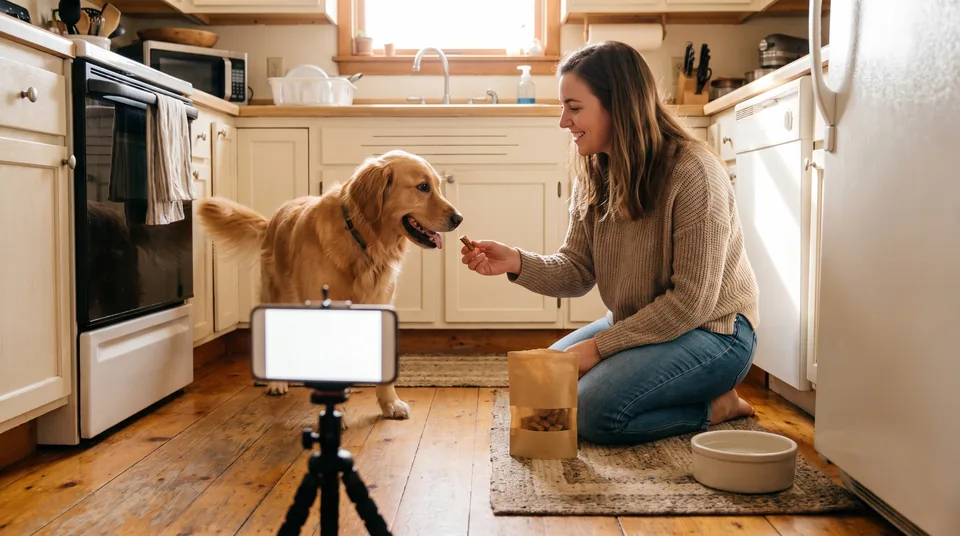
A real owner explaining why they bought cover
The insurance videos that start quotes are small, honest stories. A dog owner showing the vet bill that got reimbursed, a renter walking through the morning after a leak, a parent explaining why term life went to the top of the list. Brief the story, keep prices and policy terms out of the script, approve the cut before it posts, and send the link to a quote flow where a licensed agent or your filed rates take over.
You approve every creator you hire
FTC #ad disclosure in every brief
Why it works
What makes insurance influencer marketing different
How you pay the creator is a licensing question
State producer licensing laws reserve commissions for licensed producers. An unlicensed creator can usually be paid a flat fee for content or a small fixed referral fee, but a payment per policy bound looks like compensation for selling insurance. Set the fee structure with compliance before you sign anyone.
Prices and coverage are claims about a policy
Under the state versions of the NAIC Unfair Trade Practices Act, misrepresenting a policy's benefits or terms, or misquoting a premium to induce a purchase, is an unfair trade practice, and the 2024 model text names internet postings explicitly. Creators should talk about their experience, not your rates or your exclusions.
Trust is the whole purchase
People buy insurance they cannot see until the day they need it, so a creator who shows the claim that got paid does more than any ad. Small creators whose audiences share their situation, renters, new parents, pet owners, gig workers, convert better than reach, and their audiences notice when a post sounds scripted.
What it handles
Matched, verified and shortlisted in seconds
Describe your brand and niche, and the AI scans creators in the 1k to 100k band, checks each one for fake followers and real engagement, and ranks the strongest matches into a shortlist you brief, approve and pay, all in one place.
- Ranks US creators on niche fit and verified engagement, so accounts with bought followers drop off the shortlist
- Finds renters, homeowners, car, pet, life, health and small business creators in the 1k to 100k band
- Keeps your cleared statements, required disclosures, video approval and the approved version of every post in one place
- Writes FTC disclosure into every brief by default, including free months, gift cards and referral bonuses
- Gives each creator a unique link so quote starts and bound policies are counted per creator on a flat fee
Why MicroInfluencers
One marketplace that runs the whole campaign
Not a static creator database, not a managed agency with a markup, and not a DM spreadsheet. Match, vet, brief, track and pay in one place, tuned to the brand and audience you already sell to.
Matches every brief in seconds
Describe your brand, niche and platforms, and the AI returns a ranked shortlist of micro and nano creators in the 1k to 100k band, scored on audience fit and real engagement, so you skip days of hashtag scrolling and cold DMs.
Verifies every creator
Every creator is fake-follower-checked and engagement-verified before they reach your shortlist, with an Authentic badge and a real engagement rate on every card, so you never pay a bot to talk to bots.
Briefs, tracks and pays
Approve the creators you want and the platform handles the rest, with FTC #ad disclosure built into every brief, performance tracked per post, and payment released to the creator from the same dashboard. You approve every hire.
Honest comparison
What an insurance creator says, and the rule it runs into
The first column is the kind of line creators reach for when they like a policy. Each one changes how the creator can be paid, what the post may say or who has to answer the follow-up questions. Read at primary sources in October 2026; state law varies, so confirm the details with your compliance team.
| What the creator says or does | What it counts as | What the program then needs | Rule |
|---|---|---|---|
| "Thanks to the insurer for sponsoring this" or any fee, free month or gift card | A material connection between the creator and the brand | A clear disclosure in the video and caption, plus the platform's paid partnership label | FTC Endorsement Guides, 16 CFR Part 255 |
| A creator is paid for every policy bound through their link | Compensation for selling or soliciting insurance | A flat content fee instead, or a fixed referral fee that does not depend on a purchase, unless the creator holds a producer license | State producer licensing laws, for example Tenn. Code Ann. 56-6-113(e), fixed referral fee of at most $25 |
| "Does it cover my bike?" answered by the creator in the comments | Discussing specific policy terms, which is what referrers must not do | A pinned reply that sends coverage questions to a licensed agent or your quote flow | State producer licensing laws, for example Tenn. Code Ann. 56-6-113(e) |
| "I pay $11 a month, so will you" | A statement about premium that can mislead, since rates vary by state and applicant | No quoted premiums in creator content unless compliance clears the exact wording and conditions | NAIC Unfair Trade Practices Act, Model 880, Section 4A and 4B (internet postings) |
| "Use my code for 15% off your premium" | A possible rebate or inducement not specified in the policy | Only discounts that are part of your filed rates or allowed by the state, never a creator-specific premium cut | NAIC Model 880, Section 4I (rebates), as enacted by each state |
| A creator collects names and numbers for health plan quotes | Acting as a health insurance lead generator | Marketing and complaint records kept for the current year and the two before it | NAIC Model 880, Section 4C, as enacted by each state |
| A sponsored post about a Medicare Advantage or Part D plan | Marketing of a Medicare plan, which CMS regulates separately | Route through the plan sponsor's Medicare compliance process before anything is filmed | 42 CFR Part 422, Subpart V |
| A brief on MicroInfluencers | Your cleared statements, flat creator fee and disclosure wording, written into the brief | FTC disclosure by default, every video approved by you before it posts, approved version kept on file | $49, $149 or $399 a month published, plus each creator's agreed flat fee |
Sources: the NAIC Unfair Trade Practices Act (Model 880, 2024 edition), Sections 4A, 4B, 4C and 4I; Tenn. Code Ann. 56-6-113(e) as quoted in the Tennessee Department of Commerce and Insurance Interpretive Opinion 05-13; the FTC Guides Concerning the Use of Endorsements and Testimonials in Advertising, 16 CFR Part 255; and 42 CFR Part 422, Subpart V. Every state enacts its own version of the model laws and some allow larger referral fees or small gifts, so this table is a starting checklist for your compliance team, not legal advice.
The playbook
How to run an insurance influencer campaign that starts quotes and stays licensed
Six steps, in order. A first round with five to ten creators over six to eight weeks is enough to see which audiences start quotes and which only watch.
Decide the pay model with compliance first
A flat fee for the content is the clean default, because it pays for a video rather than for a sale. If you want a performance element, ask compliance which fixed referral fee your states allow and make sure it is paid whether or not the viewer buys. Our page on commission based influencer marketing explains why per-sale deals work for ecommerce and why insurance is the exception.
Pick creators by the life event
Renters creators for renters cover, new parents for term life, pet owners for pet insurance, rideshare and delivery drivers for auto and gig cover, small business owners for general liability. The life event decides whether the audience is in the market this year.
Vet the creator's history
Read six months of posts. A creator who has promoted guaranteed-approval loans, debt relief schemes or miracle supplements carries that into your brand. Engagement checks catch bought followers; reading catches judgment, and our influencer vetting checklist covers both.
Brief the story, not the policy
Ask for the creator's own situation and why they bought, filmed in their own words. Keep premiums, coverage limits, exclusions and comparisons with named competitors out of the script, and give the creator one cleared sentence for where to get a quote.
Approve every version and plan the comments
Review the video and caption before it posts, keep the approved version, and agree a pinned reply that sends coverage and price questions to a licensed agent or your quote page. The comments are where most insurance creator programs go wrong.
Track quote starts and bound policies
Give each creator a unique link and measure quote starts, completed quotes and bound policies per creator. Renew the creators whose audiences finish a quote, not the ones with the biggest view counts.
The expensive mistake in insurance influencer marketing is not a weak video. It is a creator paid per policy who then answers coverage questions in the comments, which is the profile of an unlicensed producer, sitting in plain public view.
People also ask
What insurance brands ask before hiring insurance influencers
Can insurance companies use influencers?
Yes. Insurers, insurtechs and agencies can pay creators to talk about their brand, as long as the post discloses the paid relationship under the FTC Endorsement Guides and the creator does not misstate coverage or quote premiums. The two limits that matter most are how the creator is paid and whether the creator discusses specific policy terms, both governed by state insurance law.
Can you pay an influencer a commission for selling insurance?
Not if the influencer is unlicensed, in most states. Commissions for selling, soliciting or negotiating insurance are reserved for licensed producers. Unlicensed people can usually earn a fixed referral fee that does not depend on a purchase; Tennessee caps it at $25 per referral. Pay creators a flat fee for content instead, and ask compliance before adding any per-referral payment.
Do insurance influencers need a license?
A creator who only shares a paid story and sends viewers to your quote page usually does not need a producer license. A creator who explains policy terms, compares coverage or is paid per policy sold is acting like a producer, and that does need a license. Keep creators on their own experience and leave coverage questions to licensed agents.
Can an influencer give a discount code for insurance?
Only if the discount is part of your filed rates or otherwise allowed in that state. A creator-specific cut to the premium can be an illegal rebate under the state versions of the NAIC Unfair Trade Practices Act. Codes that track the creator without changing the price are fine, and they are what most insurers use.
How much do insurance influencers charge?
Insurance creators price like other finance creators, which is near the top of the range for their size because advertisers compete for money audiences. US micro creators commonly quote $100 to $2,500 per post, and 2026 rate guides put nano creators under 10,000 followers at roughly $25 to $150 per feed post. Agree the fee in writing, along with usage rights if you plan to run the video as an ad.
Who are the best insurance influencers to work with?
The best fit is a creator whose life matches the policy: renters for renters cover, pet owners for pet insurance, new parents for life insurance, small business owners for liability. Look for real engagement, a history free of get-rich or debt-relief promotions, and an audience in the states where you are licensed to sell.
Is influencer marketing effective for insurance?
It is effective when the creator's audience faces the risk the policy covers and the creator shows a real reason they bought. Insurance is bought on trust and rarely on impulse, so measure quote starts and bound policies over six to eight weeks rather than judging a creator on the first day's views.
What should I look for in an insurance influencer marketing agency?
Look for creators who fit your products and states, briefs that keep premiums and coverage claims out of the script, a pay structure your compliance team has approved, and an approval and record trail. An agency earns its retainer on a large managed program; for five to twenty small creators, a platform with approvals built in usually costs less.
Good questions
Questions about insurance and insurtech brands
Explore more
More ways brands find and hire micro-influencers
Influencer contract template
The clauses every brand-creator agreement needs, plus how MicroInfluencers builds FTC disclosure into every brief.
Learn moreCommission based influencer marketing
Pay creators on the sales they drive, with rates a good creator will actually accept and tracking that survives an audit.
Learn moreInfluencer Vetting
Check the audience before you pay for it: engagement quality, follower authenticity and brand safety, on every creator you shortlist.
Learn moreStop scrolling hashtags and cold-DMing creators. Put matching on autopilot.
Describe your brand and audience and the AI returns a ranked shortlist of verified micro-influencers in seconds. You approve the creators you want, then brief, track and pay them in one place, with FTC #ad disclosure built into every brief.
Engagement-verified creators · no fake followers · FTC disclosure in every brief